
Recovery History Oral History
To Adult Survivors of Child Sexual Abuse: Your History Matters and Should be Part of the Historical Record. Contact us to find out about recording your oral history.
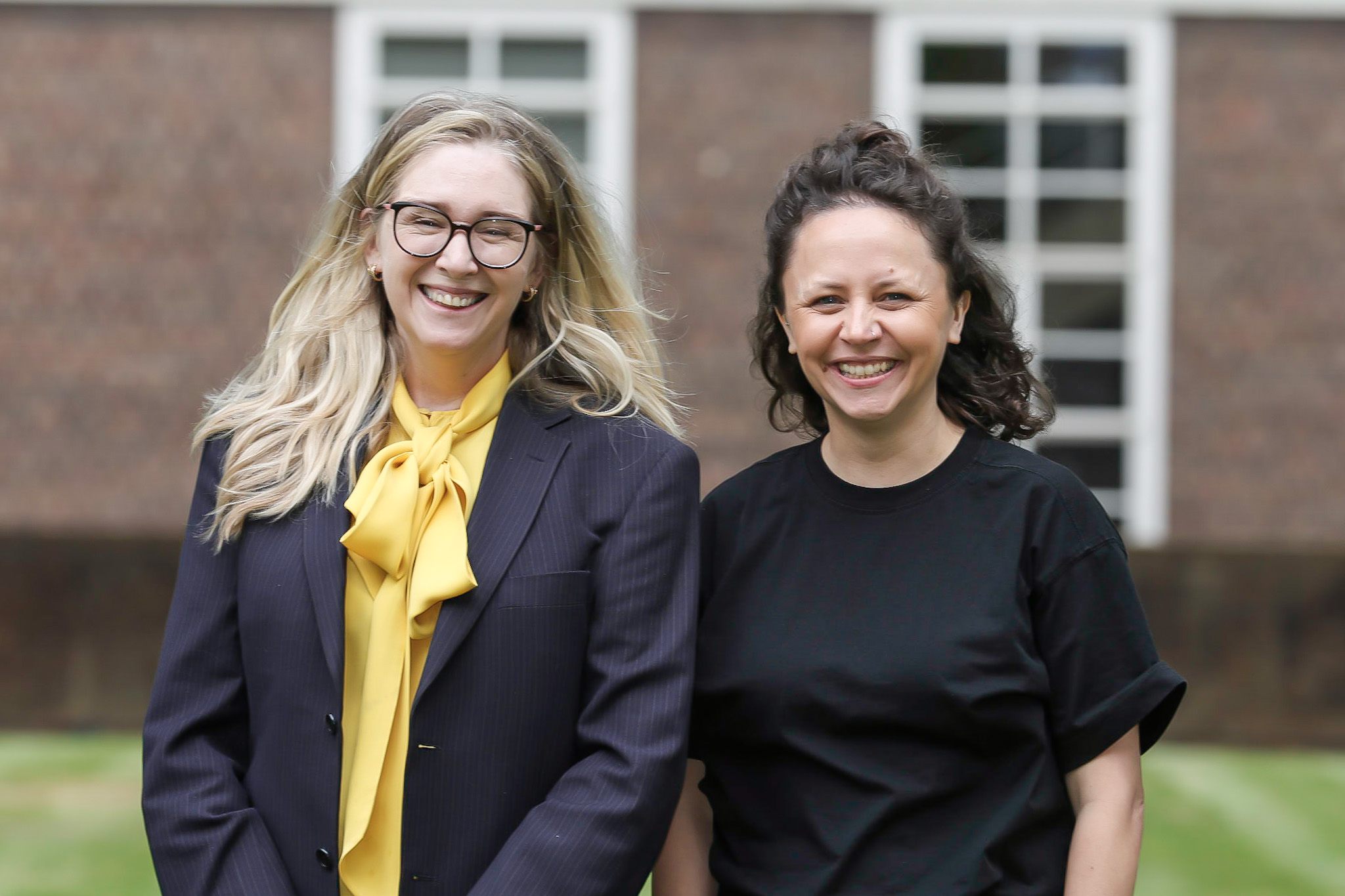
Over the last few months, we’ve started recording the life histories of survivors of childhood sexual abuse for the Recovery Histories project. These are an essential source of information for our project, and we are now extending a wider invitation to people who may be interested in participating.
Our aim is to find out about experiences of living with the impact of child sexual abuse and how things have changed since the 1950s in England, Ireland, Scotland and Wales. We’re interested in everyday ‘real life’ experiences. We are going beyond the type of history that only looks at policies and practices, laws and diagnoses, to gather individuals’ memories, feelings and understandings of abuse and its aftermaths.
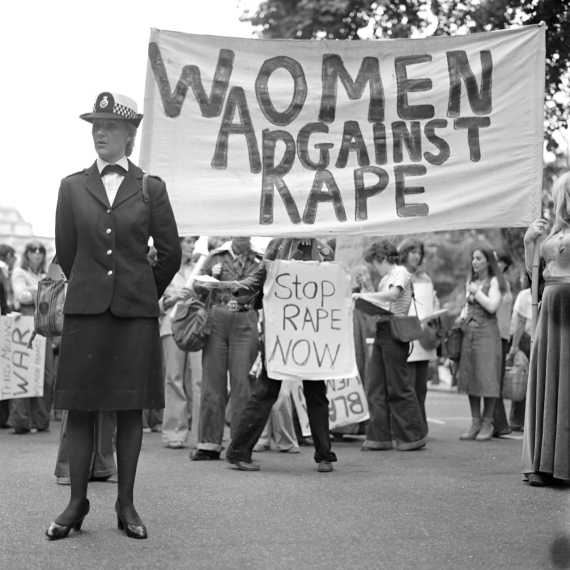
Over the last fifty years or so, child sexual abuse and its impact have become more visible in the media and in fiction. This was particularly the case in the 1980s and largely brought about by the courage of survivors and feminist activists in speaking out against domestic violence, rape and child sexual abuse.
It was also at a height in the 2010s when reporting on Jimmy Savile’s crimes against children and vulnerable adults demonstrated how powerful men could committed numerous sexual crimes and silence their victims without being challenged. #MeToo further highlighted the misuse of power and privilege that facilitated sexual violence. However, there are very few serious historical studies of twentieth-century child sexual abuse. Furthermore, often only certain types of survivors’ stories appear in books, magazines, newspapers or online. And child sexual abuse and recovery is most often spoken about in language borrowed from medicine using words like trauma, recovery, dissociation or PTSD.
Does what you read about child sexual abuse do justice to your experience? What has helped you to live the life you want? What has felt supportive or challenging along the way? Perhaps you found a diagnosis and therapy useful. Perhaps you found other relationships or activities helpful such as being a parent, intimate relationships, spirituality, sports, art or nature. How do you think about and describe your struggles and achievements in life? What do you see as important events or turning points in your life?
We are interested in listening to your memories, thoughts and feelings and learning from these. We will listen to your whole life story, how your life was before and after the sexual abuse and the many ways you have lived with its aftermath and its impact. We do not expect you to share the details of the abuse, we are more interested in your life journey. We will recognise value and preserve your experiences.

The way we work is to have an informal conversation with you about why you would like to record your oral history and explain the process of recording an oral history. The next step would be to have a more detailed planning session where we talk through the steps again, discuss any risks or worries and map out a sense of your life, what you might like to talk about in the interview and any parts of your life that you don’t want to discuss. We would think too about how you’d like us to respond if you experience strong emotions during the interview process and make a plan. Next we would meet with you at your home, a community venue or at our university to record the interview or, if in person doesn’t work for you, set up an online recording. Some time later, we will send you the transcript to check and then we would meet again to discuss that and any special arrangements for depositing your interview in the archive. There is more detail about this in our information sheet linked here and we would talk all of it through with you as well and answer your questions.
We welcome participation from anyone who has lived through child sexual abuse. We’d like to gather life histories from people from a range of backgrounds and identities especially if you feel you don’t see yourself and your experiences reflected as you would like to in books, TV or online. We particularly welcome survivors whose life histories are less often represented, for example on the basis of ethnic or cultural identity, class, immigration status, language proficiency, gender identity, sexuality, disability, neurodiversity, or homelessness. Of course, these are broad categories and none of us humans fit neatly into boxes like these….
You are not required to be supported by an organisation to take part in the research. We will link you to confidential peer support with our partner Survivors Voices, but this is optional. If another form of support would work better for you, we can discuss this.
MORE INFO ABOUT THE PROJECT
www.shra.bbk.ac.uk/projects/recovery-histories/
CONTACT US
Telephone: 020 3926 3679/ 020 3926 2813
E-mail: recovery-histories@bbk.ac.uk
Featured Image: © Lee Cooper / Victorious Voices
