
Writing Difficult Subjects
An increasing number of PhD students and early career researchers in arts and humanities and social sciences have, in recent years, embarked on studies pertaining to gender-based violence, without necessarily considering either the impact on themselves or the skills required to research and write about this subject in ways that respect survivors’ experiences. Whether carrying out participant observation in hospitals or support services, interviewing survivors or perpetrators of gender-based violence or reading archival records, researchers can find themselves immersed in accounts of others’ pain, creating a risk of harm. ‘Burn out,’ ‘compassion fatigue’ and ‘secondary trauma’ have been used to explore harm in health and social care settings. In response, ‘trauma-informed care’ and ‘trauma-informed practice’ have recently been introduced in those fields in Britain and elsewhere but not yet been integrated into university teaching and scholarship.
A parallel problem has emerged in the field of creative writing where scholars have begun to identify the need for trauma-informed teaching and learning strategies. Students may, for example, choose to process their experience of sexual violence or childhood sexual abuse or those of others through their assignments. There is no systematic support for academics who experience ‘secondary trauma’ while supervising such life writing projects. Neither do academics receive training for best practice in how to support students engaging with emotionally charged material. By bringing together the experience of early career researchers and academics working on studies pertaining to gender-based violence and the challenges creative writing practitioners face, our project will begin to address this gap. It makes the case for an interdisciplinary trauma-informed creative writing ‘toolkit’ as a form of self-care for academics and others working in this field.
The project builds on the success of previous creative writing workshops run through the Wellcome Trust-funded Sexual Harms and Medical Encounters Project (Beecher was the Project Director from Jan 2023 to April 2024) at Birkbeck, University of London. Most relevant was the pilot project convened by Drs Beecher and Wheelwright that offered creative writing workshops to SHaME affiliated academics and ECRs. Over six sessions, participants considered their intentions and motives as writers, questions of subjectivity, of intended readers, of voice and narrative perspectives. They explored how to use ‘scene making’ to place their subjects within an appropriate context, the development of narrative structures, and the design of ethical frameworks for different media. Participants also completed and peer reviewed short, guided assignments, engaged in close reading of texts, and considered how to solve common writing ‘problems’. They also discussed how academic research might, by using different writing styles, become accessible to a wider readership.
Based on the extensive feedback from participants from the SHaME affiliated workshops and Writing Difficult Subjects run in 2024/25, we are drafting a creative writing ‘toolkit’ as an online resource. Aimed at academics and researchers working in the field of sexual violence, it can be used as an individual resource, as a guide for in-person or online groups, and as a pedagogical tool within and outside academia.
Project Overview
While the potential of creative writing to support wellbeing challenges for researchers and academics working in the field of sexual violence is now recognised, further resources are needed to support its development. We locate our teaching within an epistemology of building resilience through self-reflection inherent in creative writing which, in turn, can foster community networks of survivors, writers, researchers and academics. By exploring the writing process and its specific expression of recovery from sexual violence, we hope to develop new vocabularies, narratives structures and genre forms.
The application of these techniques whether in creative writing or applied to academic texts, may support writers who consciously resist the aestheticization of violence while respecting the ethical responsibility to their subjects. Through this developing conversation, we hope to investigate further how isolation within this highly emotive subject area may be reduced and communities fostered. The theoretical perspective that informs the toolkit, understands that writing, within a trauma-informed context, can be a collective and mutually beneficial process. Through the skills of close textual readings, through peer reviewing of writing samples, and through learning techniques for self-reflection, end users have an opportunity to build emotional and psychological resilience.
The toolkit’s design is intended to encourage experimentation with writing forms that moves writers beyond a dominant ‘master narrative’ of trauma to centre everyday survival and strength. Building on health sciences’ research that indicates positive outcomes for victim-survivors of sexual violence through writing personal narratives, the workshops have identified techniques and strategies that are the beginning of a conversation about best practice. The toolkit and our ongoing research provides an opportunity for a wider conversation and a deeper understanding of these issues.
People
Led by Ruth Beecher and Julie Wheelwright, Writing Difficult Subjects is a British Academy/Leverhulme Small Research Grant funded project. It explores how academics in the field of sexual violence might process harms associated with their research and develop self-care skills through creative writing techniques. Based on the findings of our pilot projects, we have developed a digital trauma-informed creative writing ‘toolkit’ that identifies techniques and strategies as a resource for those working on sensitive and complex subjects. Our continuing research asks how we might develop better resources, including the development of a trauma-informed writing style, that will support researchers of sexual violence.
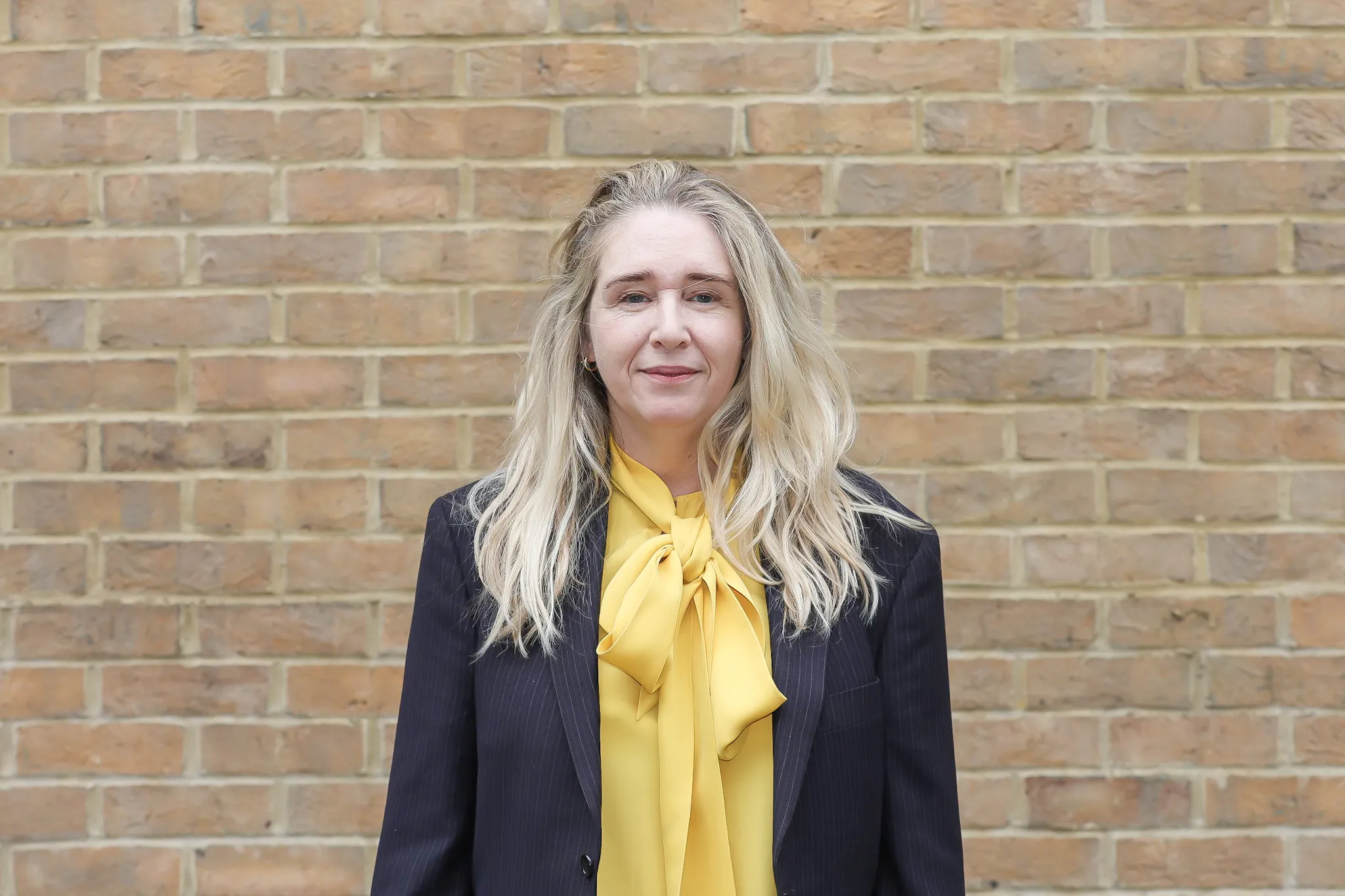
Dr Ruth Beecher

Dr Julie Wheelwright
Affected by sexual violence or sexual abuse?
If you have been affected by issues relating to sexual violence, we can recommend some support services.
